
Exploring the Arab Golden Age: A Journey Through Knowledge
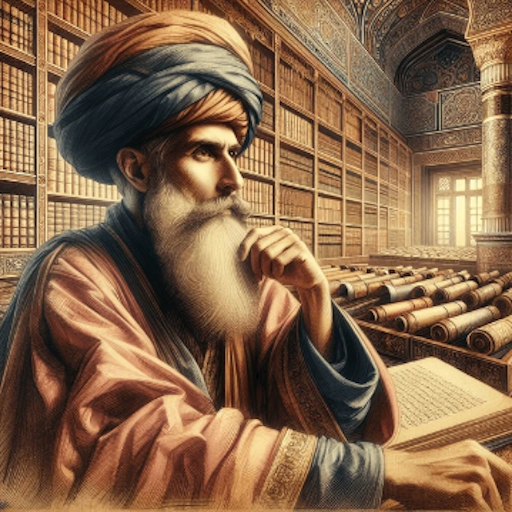
An Engaging Overview of the Arab Golden Age
The Arab Golden Age was a remarkable period that spanned roughly from the 8th to the 14th century. It was a time when the Arab world became a beacon of knowledge and culture, significantly shaping the course of human history. Imagine a world where scholars gathered to exchange ideas, innovate, and push the boundaries of understanding—sounds like a modern-day conference, right? But instead of PowerPoint presentations, they had scrolls, ink, and a thirst for knowledge!
The Significance of the Arab Golden Age
This era is often referred to as the Islamic Golden Age, a time when the intellectual and cultural achievements of the Arab scholars flourished. The impact of this period can still be felt today, as many foundational concepts in various fields were developed during this time. From Arab science to Arab medicine, and from Arab astronomy to Arab mathematics, the contributions of this golden age laid the groundwork for future generations.
A Hub of Knowledge: The House of Wisdom
One of the most iconic institutions of this era was the Baghdad House of Wisdom. Picture a vast library filled with scholars from diverse backgrounds, all collaborating and sharing their findings. It was here that brilliant minds like Al-Khwarizmi, the father of algebra, and Avicenna, a pioneer in medicine, made groundbreaking discoveries that would influence not just the Arab world but the entire globe.
Achievements Across Various Fields
The medieval Arab achievements during this time were nothing short of extraordinary. In Arab literature, masterpieces like “One Thousand and One Nights” captivated imaginations far and wide. Meanwhile, Islamic art flourished, characterized by intricate designs and vibrant colors that still inspire artists today. Arab philosophy also made significant strides, with scholars pondering questions about existence, ethics, and the nature of knowledge itself.
As we dive deeper into this fascinating period, we will explore the rich tapestry of knowledge and culture that emerged, showcasing how the cultural heritage of the Arab world has profoundly influenced civilizations across the globe, including the vibrant region of Andalusia.
The Historical Backdrop of the Arab Golden Age
The Rise of Islamic Civilization
The Arab Golden Age, often referred to as the Islamic Golden Age, was not just a phase; it was a spectacular explosion of knowledge and culture that left an indelible mark on the world. Emerging from the shadows of earlier civilizations, the rise of Islamic civilization in the 7th century paved the way for a flourishing intellectual and cultural milieu. This era saw the unification of diverse peoples and cultures under the banner of Islam, promoting a spirit of inquiry and innovation that transcended borders.
The Flourishing Cities: Baghdad and Beyond
At the heart of this intellectual renaissance was Baghdad, the jewel of the Islamic empire. Founded in 762 AD, it quickly became a hub of trade, culture, and knowledge. Imagine a city bustling with scholars, poets, and philosophers, all gathered to exchange ideas and wisdom. This vibrant environment was crucial for the development of Arab science, Arab literature, and Arab philosophy. The streets of Baghdad were lined with libraries and schools, and it was here that the famed Baghdad House of Wisdom was established, a beacon of learning that attracted the brightest minds of the time.
The Establishment of Institutions
Institutions like the House of Wisdom were instrumental in preserving and advancing knowledge. Scholars from various backgrounds came together to translate and study ancient texts from Greek, Persian, and Indian sources. This collaborative effort led to remarkable advancements in Arab mathematics, Arab astronomy, and Arab medicine. Figures like Al-Khwarizmi, the father of algebra, and Avicenna, a pioneer in medicine, emerged during this period, their works laying the foundation for future scientific exploration.
Cultural Heritage of the Arab World
The cultural heritage of the Arab world during the Arab Golden Age was not limited to science and philosophy; it also encompassed Islamic art, which flourished in various forms. From intricate calligraphy to stunning architectural masterpieces, the artistic expressions of this time reflected the rich tapestry of cultures that coexisted. The influence of Andalusia, where Islamic culture mingled with European traditions, further enriched this vibrant heritage, showcasing the profound interconnectedness of civilizations.
Key Contributions of the Arab Golden Age
Advancements in Arab Science
The Arab Golden Age was a remarkable period that saw significant advancements in Arab science. Scholars from diverse backgrounds collaborated to explore various fields, leading to breakthroughs that would influence generations. They laid the groundwork for modern scientific methods, emphasizing observation and experimentation. This spirit of inquiry was particularly evident in the Baghdad House of Wisdom, a hub where knowledge thrived and scholars from different cultures exchanged ideas.
Mathematics: The Legacy of Al-Khwarizmi
When it comes to Arab mathematics, one name shines brighter than the rest: Al-Khwarizmi. Often referred to as the father of algebra, his seminal work “Al-Kitab al-Mukhtasar fi Hisab al-Jabr wal-Muqabala” introduced concepts that transformed mathematics. He not only developed algorithms but also provided systematic methods for solving equations, paving the way for future mathematicians. His influence is still felt today, as the term “algebra” is derived from his title.
Arab Astronomy: Mapping the Stars
Arab astronomy reached new heights during this golden era. Scholars like Al-Battani and Al-Farghani made remarkable contributions, including improved methods for calculating the movements of celestial bodies. They produced star catalogs and developed instruments like the astrolabe, which allowed for accurate navigation and timekeeping. Their work laid the foundation for later European astronomical advances, proving that the stars were not just for decoration!
Arab Medicine: Healing Arts and Innovations
The field of Arab medicine also flourished during the Islamic Golden Age. Notable figures like Avicenna, known for his encyclopedic work “The Canon of Medicine,” synthesized knowledge from various traditions and established principles that guided medical practice for centuries. His writings not only influenced medieval Arab achievements but also shaped European medicine during the Renaissance. Avicenna’s emphasis on clinical observation and diagnosis remains relevant in modern medicine.
Cultural Heritage and Literature
The cultural heritage of the Arab world during this period extended beyond science and medicine. Arab literature blossomed, with poets and storytellers crafting works that captured the imagination. The tales of “One Thousand and One Nights” (or “Arabian Nights”) are just a glimpse into the rich narrative tradition that flourished. This literary wealth not only entertained but also conveyed profound philosophical insights, reflecting the depth of Arab philosophy during the era.
Islamic Art: A Reflection of Knowledge
Islamic art also thrived, characterized by intricate geometric patterns, calligraphy, and vibrant colors. These artistic expressions were not merely decorative; they often contained mathematical precision and philosophical meaning, intertwining art with the intellectual pursuits of the time. The aesthetic achievements of this period are a testament to the creativity and innovation of Arab scholars, who understood that beauty and knowledge go hand in hand.
The Influence of Andalusia
Andalusia became a vital center for the transmission of knowledge during the Arab Golden Age. The interplay of cultures in this region fostered a unique blend of ideas, leading to advancements in various disciplines. Scholars from different backgrounds collaborated, enriching the intellectual landscape and ensuring that the legacy of the Arab Golden Age would resonate far beyond its borders.
The Lasting Impact of the Arab Golden Age on Modern Society
Reflecting on Historical Advancements
The Arab Golden Age was not just a fleeting moment in history; it was a significant period that shaped the very fabric of our modern world. The intellectual achievements during this time laid the groundwork for numerous fields we take for granted today. From Arab science to Arab medicine, the advancements made by Arab scholars continue to resonate in contemporary society.
The Legacy of Knowledge
Think about it: without the mathematical foundations laid by geniuses like Al-Khwarizmi, who essentially introduced algebra, our approach to mathematics would look quite different. His contributions, along with those of other scholars such as Avicenna, have had a profound influence on medieval Arab achievements and beyond. The principles of Arab mathematics and Arab astronomy are still taught in classrooms worldwide, showcasing their enduring relevance.
Art and Philosophy Through the Ages
Moreover, the Islamic Golden Age was a vibrant period for Arab literature and Islamic art. The tales of the Arabian Nights still enchant readers today, while the philosophical inquiries from that era challenge and inspire modern thinkers. The rich cultural heritage of the Arab world is a treasure trove that continues to influence artistic expression and philosophical discourse.
A Global Perspective
As we delve into the Arab Golden Age, it’s important to recognize its impact beyond the Arab world. The knowledge and innovations that emerged during this time made their way to regions like Andalusia, where they sparked a renaissance of learning and culture in Europe. This cross-cultural exchange highlights the interconnectedness of human knowledge and the importance of collaboration across borders.
Continuing the Conversation
So, how do these historical advancements continue to shape our world today? Are we fully aware of the influences that stem from the Baghdad House of Wisdom and other centers of learning? These questions invite us to reflect on our current educational systems and the importance of preserving the legacy of the Arab Golden Age for future generations.
Explore the Rich Legacy of the Arab Golden Age
Delve into Further Reading
If you find yourself intrigued by the Arab Golden Age and its myriad contributions, there are countless books and articles waiting to be devoured. Consider diving into the works of scholars who have meticulously chronicled the Islamic Golden Age. Titles such as “The House of Wisdom: How Arabic Science Saved Ancient Knowledge and Gave Us the Renaissance” by Jim Al-Khalili provide a captivating narrative on how Arab science shaped modern thought.
Engage with Cultural Artifacts
Why not take a virtual stroll through the Baghdad House of Wisdom? While the original structure may no longer stand, many museums and online resources offer a glimpse into the treasures of Arab literature, Islamic art, and Arab philosophy. Engage with these artifacts to truly appreciate the depth of the cultural heritage of the Arab world.
Appreciate the Contributions of Arab Scholars
Take a moment to reflect on the giants of the Arab Golden Age like Al-Khwarizmi and Avicenna. Their groundbreaking work in Arab mathematics, Arab medicine, and Arab astronomy laid the foundations for future generations. By understanding their achievements, we can better grasp the significance of medieval Arab achievements in our contemporary world.
Join the Conversation
Engaging in discussions about the Arab Golden Age can lead to a greater understanding of its relevance today. Join online forums, attend lectures, or participate in local cultural events focused on the influence of Arab scholars in shaping global knowledge. Together, we can celebrate the legacy of this remarkable era and its impact on our lives.
Check out our unique product collection. Click here to discover your must-haves!