Embracing Palestinian Heritage: A Journey Through Resistance
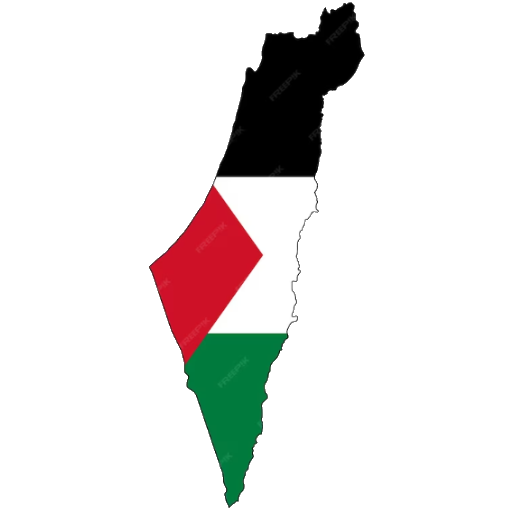
An Overview of Palestine: A Jewel in the Middle East
Welcome to Palestine, a land that has more history than your great-grandmother’s attic! Nestled in the heart of the Middle East, Palestine is a place where ancient olive trees whisper tales of resilience, and the vibrant Palestinian culture dances through the air like the rhythm of a dabke performance. But before we dive into the rich tapestry of this beautiful region, let’s sprinkle in a little humor and curiosity.
The Significance of Palestine
Palestine is not just a dot on the map; it’s a symbol of strength and survival. From the majestic hills of the West Bank to the bustling streets of Jerusalem, this land holds the dreams of millions. It’s a place where the Palestinian resistance isn’t just a phrase; it’s a way of life. You see, when life gives Palestinians lemons, they don’t just make lemonade—they throw a party and serve it with a side of Palestinian embroidery!
Palestinian Rights and Heritage
At the heart of the struggle for a Free Palestine lies the concept of Palestinian rights. These rights are not just legal jargon; they are the very essence of what it means to be Palestinian. And let’s not forget the Nakba, a term that means “catastrophe” in Arabic, which refers to the displacement of Palestinians during the 1948 Arab-Israeli conflict. This event is not just a historical footnote; it’s a reminder of the enduring spirit of the Palestinian people and their unyielding right of return.
Culture That Inspires
Palestinian culture is as rich as the land itself. It’s a delightful blend of traditions, from the hearty meals shared around a family table to the iconic keffiyeh worn with pride. And let’s not overlook the olive trees, which symbolize peace and resilience. These trees have witnessed generations of stories, struggles, and triumphs. They are the silent witnesses to the intifada and the hopeful harbingers of a brighter future.
As we embark on this journey through Palestine, remember: it’s not just about politics; it’s about people, culture, and an unbreakable spirit. So, buckle up as we explore the rich historical and cultural context of this remarkable land! Who knows, you might even find yourself dancing the dabke by the end of it!
Exploring the Historical and Cultural Context of Palestine
The Nakba: A Pivotal Moment
The term Nakba, meaning “catastrophe,” refers to the mass displacement of Palestinians in 1948 during the establishment of Israel. This event is not just a date on a calendar; it’s a cornerstone of Palestinian heritage and identity. Imagine waking up one day, only to find your home transformed into a museum exhibit for tourists. That’s the kind of absurdity that history sometimes dishes out!
Palestinian Resistance: A Story of Resilience
Despite the odds, the spirit of Palestinian resistance remains unyielding. From protests to artistic expressions, the resilience of the Palestinian people is palpable. It’s like trying to keep a beach ball underwater; no matter how hard you push, it always pops back up! This resistance is a testament to their unwavering quest for Palestinian rights and self-determination.
The Right of Return: A Dream Yet to Be Realized
The right of return is a fundamental principle for Palestinians, signifying their hope to return to their ancestral homes. It’s akin to a long-lost family member showing up at a reunion—everyone’s excited, but you just hope they don’t ask too many questions about why they were gone for so long!
Richness of Palestinian Culture
Let’s not forget the vibrant Palestinian culture that flourishes despite adversity. From the rhythmic steps of dabke dancers at weddings to the intricate patterns of Palestinian embroidery, every thread tells a story. And let’s talk about those olive trees—symbols of peace and endurance. They’ve been standing tall in the West Bank and Gaza Strip, much like your great aunt at family gatherings, firmly rooted in tradition!
Connecting with the Arab World
The struggle for Free Palestine resonates deeply within the Arab world. It’s not just a Palestinian issue; it’s a regional call for justice and solidarity. When Palestinians gather under the sacred dome of Al-Aqsa, they aren’t just praying; they’re weaving a narrative that connects them to their neighbors and allies across the Middle East.
Cultural Traditions: A Celebration of Identity
Palestinian traditions, like wearing the iconic keffiyeh, are more than just fashion statements; they’re symbols of resistance and unity. They wrap the wearer in a sense of belonging, much like a warm hug from your grandmother—comforting and reassuring. Through dance, art, and culinary delights, Palestinians celebrate their identity and heritage, proving that even in the face of hardship, joy can still be found.
An In-Depth Look at Current Events and the Ongoing Struggle for Palestinian Rights
The Gaza Strip: A Snapshot of Resilience
The Gaza Strip is often portrayed as a land of despair, but let’s not forget the resilience of its people. Despite facing blockades and numerous challenges, the spirit of the Gazans shines through. Picture this: families gathering around to share stories, laughter, and the occasional plate of maqluba (upside-down rice dish) while debating the latest news. They are not just surviving; they are living, loving, and laughing.
The West Bank: A Tapestry of Life
Moving over to the West Bank, we find a rich tapestry of life interwoven with the threads of Palestinian culture. Here, the aroma of freshly baked pita wafts through the air as children play near ancient olive trees. These trees are not just a source of livelihood; they symbolize the roots of the Palestinian people and their enduring connection to the land.
The Intifada: A Spirit of Resistance
The intifada has become synonymous with Palestinian resistance. It’s a term that resonates deeply within the hearts of Palestinians, evoking memories of struggle, determination, and the fight for Palestinian rights. The courage displayed during these uprisings reflects a collective yearning for justice and the right of return to their ancestral homes.
Jerusalem and Al-Aqsa: The Heartbeat of Identity
No discussion about Palestine is complete without mentioning Jerusalem and the sacred Al-Aqsa Mosque. This city is not just a geographical location; it is the very heartbeat of Palestinian identity. The call to prayer echoes through the alleys, reminding everyone of their rich heritage and the need to protect it fiercely. Here, the keffiyeh is not just a fashion statement; it’s a symbol of solidarity and resistance.
Palestinian Solidarity in the Arab World
Throughout the Arab world, the call for Free Palestine resonates strongly. From Cairo to Beirut, there is a palpable sense of Palestinian solidarity that transcends borders. The stories of struggle and hope are shared in coffee shops, classrooms, and protests, uniting people in their quest for justice and peace.
The Cultural Fabric of Resistance
Palestinian culture is rich and diverse, with traditions like dabke dancing and intricate Palestinian embroidery. These cultural expressions serve as a form of resistance, preserving history and identity amid adversity. Each stitch and every dance step tells a story of resilience, pride, and the unyielding spirit of a people determined to celebrate their heritage.
Questions About the Future of Palestine
What Lies Ahead for Palestinian Rights?
As we gaze into the crystal ball of the Middle East, one can’t help but wonder: what does the future hold for Palestine? The ongoing struggle for Palestinian rights raises more questions than answers. Will the voices of the people echo through the valleys of the Gaza Strip and the West Bank? Or will they be drowned out by the noise of indifference?
The Role of International Communities
It’s no secret that the plight of the Palestinians has captured the attention of the global community. But is it enough? Are countries rallying for a Free Palestine, or are they merely spectators at a never-ending show? The role of international communities is crucial. They can either be the cheerleaders of Palestinian solidarity or the silent partners in this complex saga.
Solidarity in the Arab World
The Arab world has historically stood in solidarity with Palestine. But how effective is this solidarity when faced with the harsh realities of the intifada and the ongoing conflict? The support needs to be more than just words; it should translate into action. After all, nothing says “I care” like joining a dabke dance at a protest, right?
The Implications of Ongoing Conflict
Every day that passes without resolution adds another layer to the Nakba narrative. Each olive tree that is uprooted symbolizes not just loss, but also resilience. What happens when the world turns its back on this rich Palestinian heritage? Will the keffiyeh become just a fashion statement, stripped of its historical significance?
Critical Thinking and Action
As we ponder these questions, it’s essential to think critically about our role. Are we merely passive observers, or can we be active participants in advocating for Palestinian rights? The future of Palestine may depend on our willingness to engage, educate, and support. The question remains: are we ready to take a stand for justice, or will we let this chapter of history slip quietly into the shadows?
Call to Action: Embrace Palestinian Heritage and Culture
Educate Yourself
Knowledge is power! Start by diving into the rich tapestry of Palestinian culture. Explore the stories behind traditional crafts like Palestinian embroidery and the vibrant dances of dabke. Read about the historical significance of the olive trees, which symbolize peace and resilience in the face of adversity.
Support Palestinian Rights
Understanding the complexities of the Middle East is crucial. Familiarize yourself with the concepts of Palestinian rights, the right of return, and the impact of events like the Nakba. Consider supporting organizations that advocate for Free Palestine and promote awareness of the ongoing struggles faced by the people in the Gaza Strip and the West Bank.
Engage with the Community
Join discussions and events that promote Palestinian solidarity. Whether it’s through social media, local gatherings, or cultural festivals, your voice matters. Share what you learn about places like Jerusalem and Al-Aqsa, and engage with fellow advocates in the Arab world.
Take Action
Every small action counts! Consider buying products that support Palestinian artisans, like beautiful keffiyeh scarves or handcrafted goods. These not only provide economic support but also help keep the culture alive. Spread the word, share articles, and use your platform to amplify the voices of those advocating for Palestinian resistance and rights.
Stay Informed
Keep abreast of current events and the ongoing struggles in the region. Understand the significance of the intifada and how it shapes the narrative of Palestinian heritage. By staying informed, you can better advocate for justice and peace.
Check out our unique product collection. Click here to discover your must-haves!